
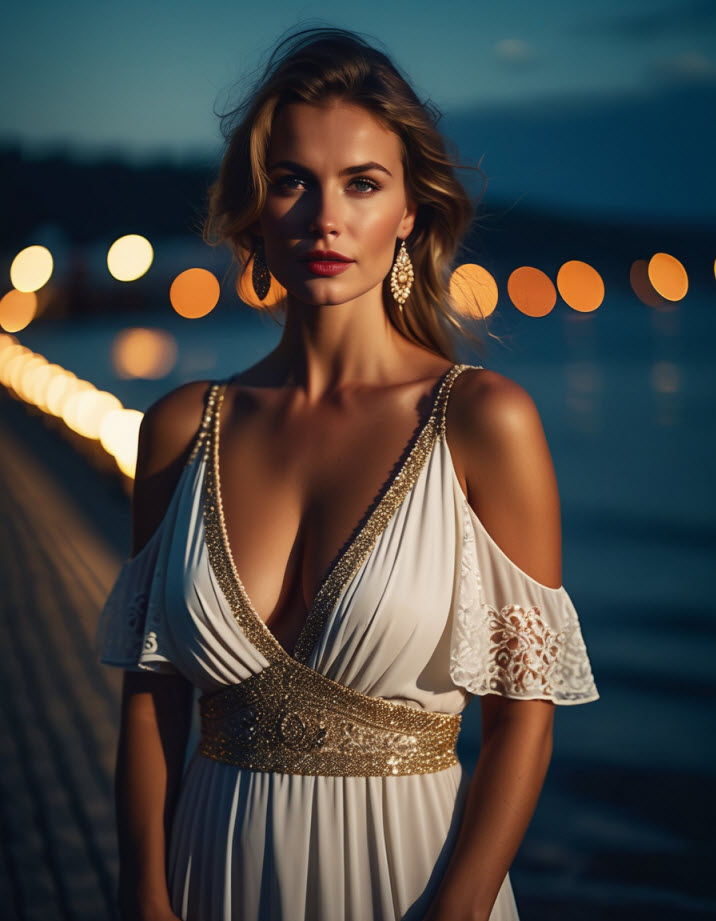
Baltic Women
The Baltic states — Estonia, Latvia, and Lithuania — sit at a fascinating crossroads between Northern and Eastern Europe, shaped by centuries of shifting influences from Germanic, Scandinavian, and Slavic cultures. The women who come from this region carry all of that history with them: well-educated, culturally aware, direct, and deeply proud of identities that survived occupation and came out intact on the other side. If you are considering dating a Baltic woman, understanding where she comes from makes all the difference in how you approach that relationship.
Geography and Climate: Understanding the Baltic Region
Estonia, Latvia, and Lithuania line the eastern shore of the Baltic Sea, bordered by Russia and Belarus to the east and Poland to the south. The landscape across all three countries is defined by dense forests, flat plains, and long coastlines — a geography that has shaped a people with deep connections to nature and the changing seasons.
The climate is temperate but pronounced: winters are cold and long, with temperatures regularly dropping below freezing in Estonia and Latvia, while summers are mild and genuinely cherished. This seasonal contrast is reflected in Baltic culture — a certain inward warmth that develops naturally in places where winter demands it, and a genuine appreciation for outdoor life when the summer months arrive. Midsummer celebrations, particularly in Latvia and Lithuania, are among the most important cultural events of the year.
Population, Language, and Recent Demographics
The three Baltic states have a combined population of approximately 6.1 million people. Lithuania is the largest at around 2.7 million, followed by Latvia at 1.8 million and Estonia at 1.3 million. Ethnically, each country is predominantly made up of its own titular nationality, though Russian-speaking minorities remain significant in Estonia and Latvia — a legacy of the Soviet period.
The languages themselves are worth noting. Estonian belongs to the Finno-Ugric family, making it a linguistic relative of Finnish rather than any of its immediate neighbours. Latvian and Lithuanian are Baltic Indo-European languages — and Lithuanian in particular is considered one of the oldest living languages in Europe, preserving features of Proto-Indo-European that have disappeared elsewhere. For anyone serious about building a relationship with a woman from this region, even a basic effort to learn a few words in her language carries genuine weight.
One demographic reality that shapes the dating landscape in the Baltic states is emigration. Significant numbers of working-age people have moved to Western Europe since EU accession, which has altered the gender balance in some age groups and left many educated, career-oriented Baltic women seeking partners outside their immediate local options. This is relevant context for anyone approaching international dating with this region in mind.
History, Independence, and National Identity
The Baltic states spent most of the 20th century under Soviet occupation following a brief period of interwar independence. Their re-independence in 1991 — achieved through a combination of mass civic protest, the Baltic Way human chain, and ultimately Soviet collapse — is a point of enormous national pride. All three countries joined both the EU and NATO in 2004, completing a transition to Western democratic institutions that their populations had voted for decisively.
This history matters when you are trying to understand Baltic women and what they value. A culture that preserved its language, folk traditions, and national identity through decades of occupation does not produce people who take these things lightly. Baltic women tend to be deeply connected to their cultural heritage — national song and dance festivals in Estonia and Latvia attract hundreds of thousands of participants, and this is not nostalgia but living culture. Showing genuine curiosity about where she comes from, her country’s history, and what independence means to her people is one of the more meaningful things a Western man can bring to this kind of relationship.
The Three Cities: Tallinn, Riga, and Vilnius
Each Baltic capital has a distinct character worth understanding, since women from these cities tend to reflect their environments in real ways.
Tallinn, Estonia’s capital, is famous for its extraordinarily well-preserved medieval old town — a UNESCO World Heritage site — alongside a reputation as one of Europe’s most digitally advanced societies. Estonia pioneered e-government and digital identity, and Tallinn has a tech startup culture that has produced companies like Skype and TransferWise. Women from Tallinn tend to be internationally oriented, comfortable with technology, and often multilingual.
Riga, the Latvian capital and the largest city in the Baltic states, is known for its remarkable collection of Art Nouveau architecture and a vibrant arts and nightlife scene. It sits at the mouth of the Daugava River where it meets the Baltic Sea, giving the city a maritime atmosphere. Latvian women from Riga are often sophisticated, culturally engaged, and well-traveled.
Vilnius, Lithuania’s capital, has one of the best-preserved baroque old towns in Northern Europe and a rich intellectual and literary tradition — the city was historically known as the Jerusalem of Lithuania due to its significant Jewish heritage before the Second World War. Women from Vilnius tend to be well-educated, warm, and proud of a cultural identity that has always existed at the intersection of multiple European traditions.
What Baltic Women Are Like in Relationships
Baltic women are frequently described as direct, self-sufficient, and emotionally grounded. They are not, as a rule, drawn to excessive flattery or performative romance — they tend to read both of those things as signs that a person is not being genuine. What they respond to is honesty, consistency, and a clear sense that you are interested in them as a person rather than as a representation of some idea you had about women from this part of the world.
Education levels across the Baltic states are high, with near-universal literacy and strong university participation among women. You are likely dealing with someone who has a professional career, formed opinions on topics that matter to her, and expects a partner who can engage with her as an equal. Intellectual compatibility tends to matter considerably more to Baltic women than it might in relationships where the dynamic is more asymmetric from the start.
Family connections remain important throughout the region, though urban Baltic women generally hold more liberal views on relationships and personal independence than older generations or women from smaller towns. Across all three countries, trust is something that develops gradually rather than being extended freely — and once a Baltic woman commits to a relationship, that commitment tends to be serious and lasting. The combination of independence and genuine loyalty, when trust has been genuinely earned, is something that characterizes relationships with women from this region at their best.
Practical Advice for Western Men Dating Baltic Women

A few things that actually matter when pursuing a relationship with a woman from Estonia, Latvia, or Lithuania. Be direct about your intentions — Baltic women appreciate knowing where things stand, and vagueness reads as evasiveness rather than mystery. Show genuine interest in her specific country and culture, not just the Baltic region as a generic concept: an Estonian woman is not a Latvian woman, and these distinctions matter to the people who live them. Patience is rewarded here more than charm — trust develops at its own pace, and trying to accelerate it tends to produce the opposite effect.
If the relationship develops to the point where a visit is on the table, any of the three capitals are worth spending real time in. The old towns of Tallinn, Riga, and Vilnius are each genuinely extraordinary, and experiencing them alongside someone who grew up nearby gives you access to a perspective on them that tourism alone cannot provide.
Dating a woman from the Baltic states means engaging with one of Europe’s more quietly remarkable corners — a region that has preserved its cultures under considerable pressure, built modern democratic societies from a standing start, and produced women who combine that history with the confidence and capability of people who take their own independence seriously. That combination, approached with genuine respect and curiosity, is exactly as interesting as it sounds.